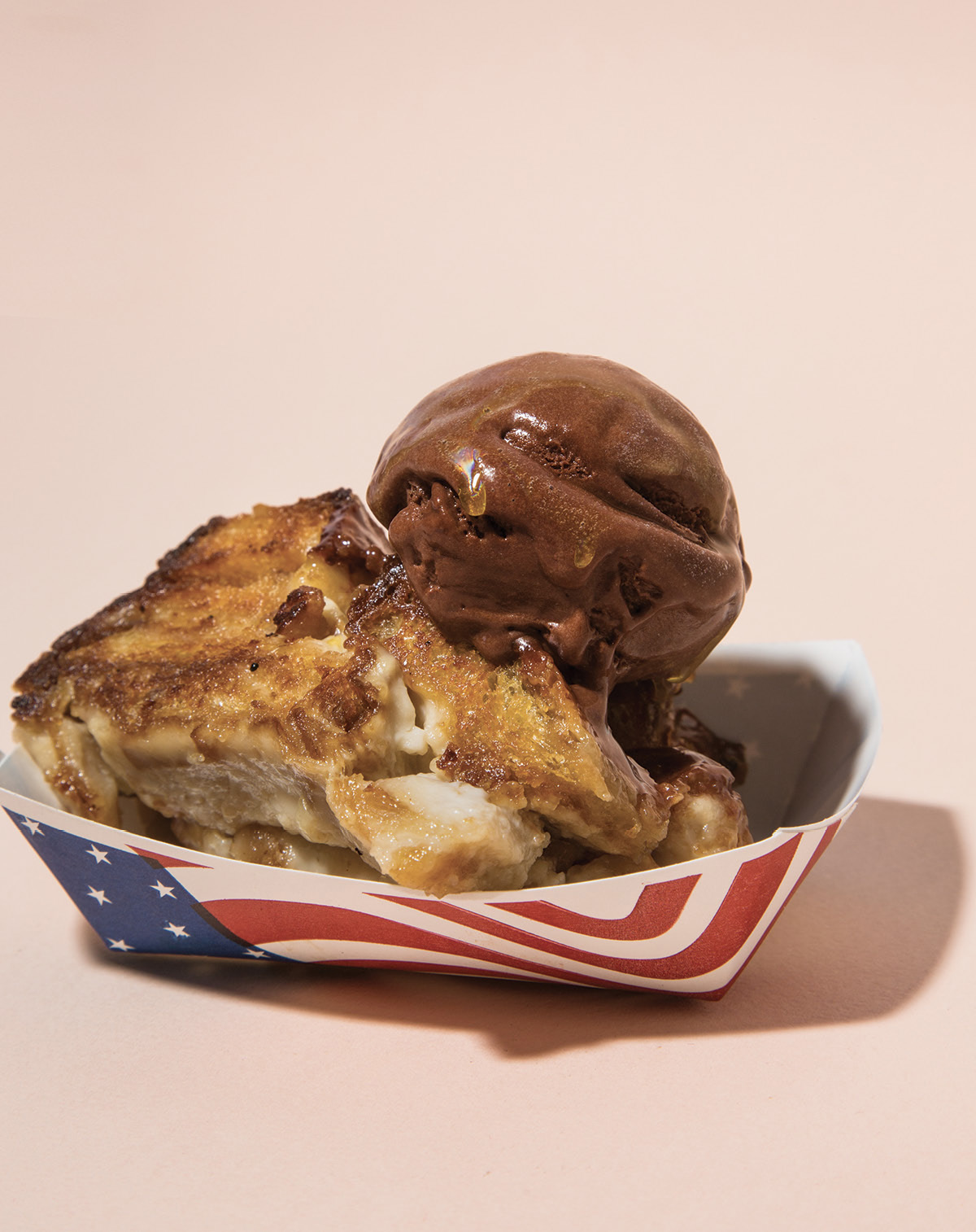
We’ve always been racked with guilt at the amount of bread we end up throwing away after using as many day-old rolls as possible for bread crumbs, croutons, thickening agents, you name it. Running a place that predominantly stuffs vegetables between bread means there’s often a lot just hanging about. This was one of our first composed desserts, and tastes like Dutch pancakes once it has been given a quick sear in a hot skillet.
Serves 10
10 slices old bread or buns
3½ cups full-fat coconut milk
1½ cups water
5 tablespoons cornstarch
3 tablespoons dark brown sugar
3 tablespoons raw sugar, plus more for sprinkling
1 tablespoon pure vanilla extract
1½ teaspoons kosher salt
Gelato (optional)
Preheat the oven to 350ºF.
Cube the bread and toast in the oven until golden brown and mostly dried out. Put the bread cubes into a casserole dish. Whisk together the coconut milk, water, cornstarch, and sugars in a pot and put over medium-low heat. Let the mixture come to a low simmer and whisk frequently, until the custard thickens and can coat the back of a spoon, about 8 minutes. Add the vanilla and salt. Pour the custard over the bread cubes and let it soak for at least 20 minutes. Sprinkle with raw sugar. Bake for 25 to 35 minutes, until just set. Let cool for a little while and serve as is, or with a gelato topping.
This is the vegan version. To get some more lift, you can substitute four whole eggs for the vegan sour cream. We don’t; we always stick with the vegan version, because an eggless baking challenge is very good for the brain.
Serves 12
Grapeseed oil
1½ cups cane sugar
1 cup extra virgin olive oil
1 cup vegan sour cream
1 tablespoon pure vanilla extract
2 cups all-purpose flour
1 teaspoon baking powder
1 teaspoon baking soda
1 teaspoon ground cinnamon
1 teaspoon kosher salt
2 cups grated carrots
Preheat the oven to 350ºF. Grease a half sheet pan or jelly-roll pan with a little grapeseed oil and line the bottom with parchment paper.
Mix together the sugar, olive oil, sour cream, and vanilla in a large bowl. In another bowl, mix together all the dry ingredients. Add the dry to the wet ingredients and mix until mostly combined. Fold in the carrots but don’t mix too much. Pour the batter into the prepared pan and spread evenly. Bake for about 20 minutes and check for doneness with a toothpick inserted into the center or a gentle press with your finger. Let cool on a wire rack for 15 minutes and serve.
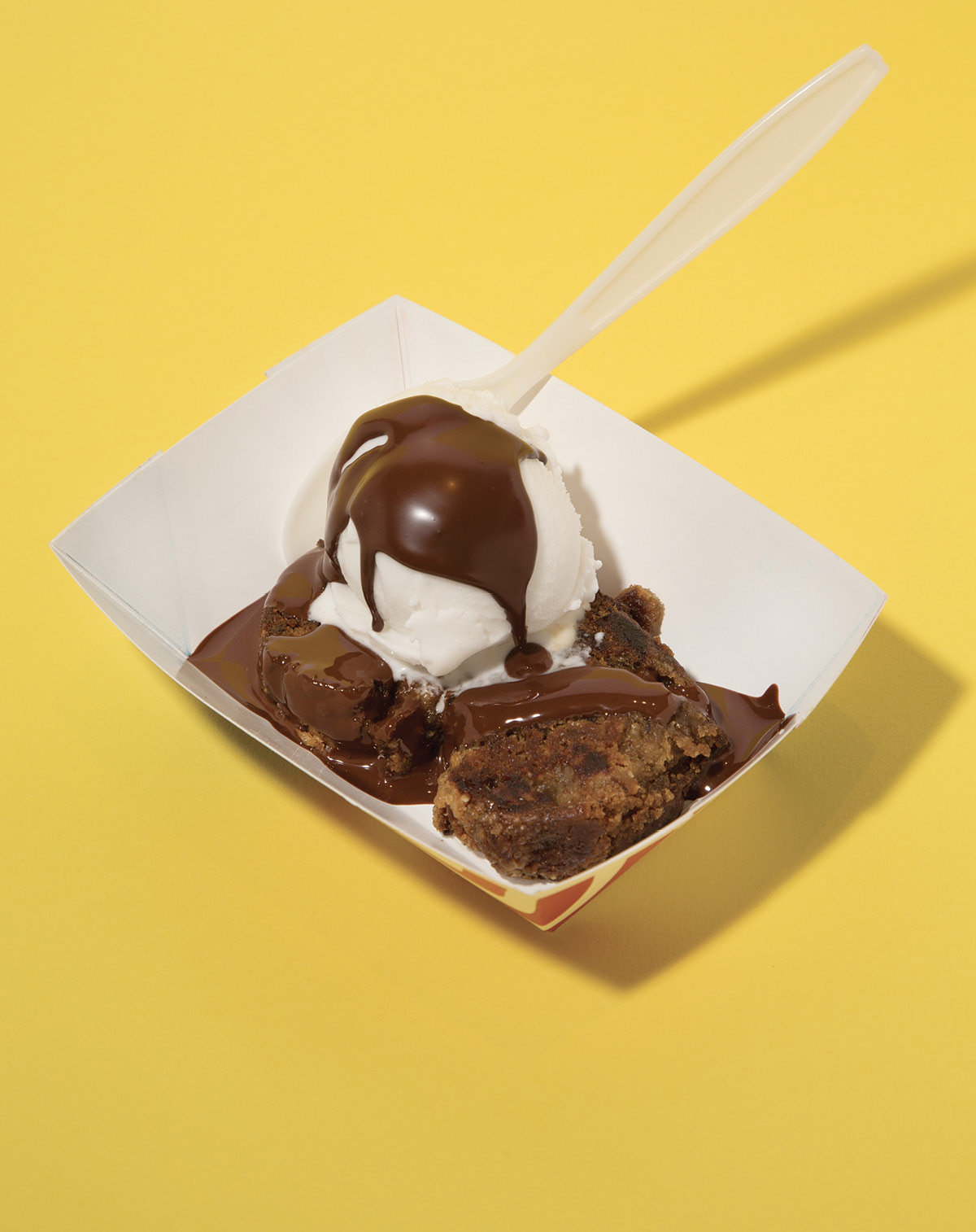
A crowd-pleaser of epic proportions. Baking a loaf of this will send the inhabitants of your house or apartment building into a frenzy of lust, as the odor of baking cinnamon, turbinado, and bananas permeates and breaches the walls. You want to use very ripe, nearly rotten bananas. We serve it with coconut sorbet and a heavy hand of chocolate-olive oil that sinks into the warm cake (it’s really cake, not bread—we know no one is fooled) and magically shells itself into a chewy architecture on the frozen scoop.
1 loaf, serves 8
1 tablespoon olive oil for greasing the pan
1¼ cups all-purpose flour
1 teaspoon baking soda
1 teaspoon kosher salt
1 teaspoon ground cinnamon
1½ cups mashed very ripe bananas, plus 1 whole banana, roughly chopped
¾ cup cane sugar
½ cup regular or vegan sour cream
½ cup extra virgin olive oil
1 tablespoon pure vanilla extract
Turbinado sugar
Grapeseed oil for drizzling
Coconut Sorbet (page 198)
Chocolate–Olive Oil Sauce (recipe follows)
Preheat the oven to 350ºF. Lightly grease a 9-by-5-inch loaf pan.
Mix together the flour, baking soda, salt, and cinnamon in a large bowl. In another bowl, mix together the mashed banana, sugar, sour cream, olive oil, and vanilla. Pour the wet ingredients into the bowl with the flour mixture. Gently mix everything together—sprinkle in the chopped bananas while mixing and mix until just combined. Pour the batter into the loaf pan and sprinkle with a little turbinado sugar. Bake for 25 to 35 minutes, until a toothpick inserted into the center comes out clean or with some moist crumbs. Let cool a little before slicing. To serve, heat a small skillet over medium-high heat. Add a tiny bit of grapeseed oil. Griddle the bread on both sides until golden brown and warmed all the way through. Top with a scoop of coconut sorbet and drizzle with chocolate–olive oil sauce.
Makes about 1 cup
8 ounces good dark chocolate
3 tablespoons extra virgin olive oil
Melt the chocolate in a bowl set over a pan of simmering water. Slowly stream in the olive oil while whisking constantly. Season aggressively with salt. Use immediately or, if it cools and hardens, just warm it up to bring it back to liquid.
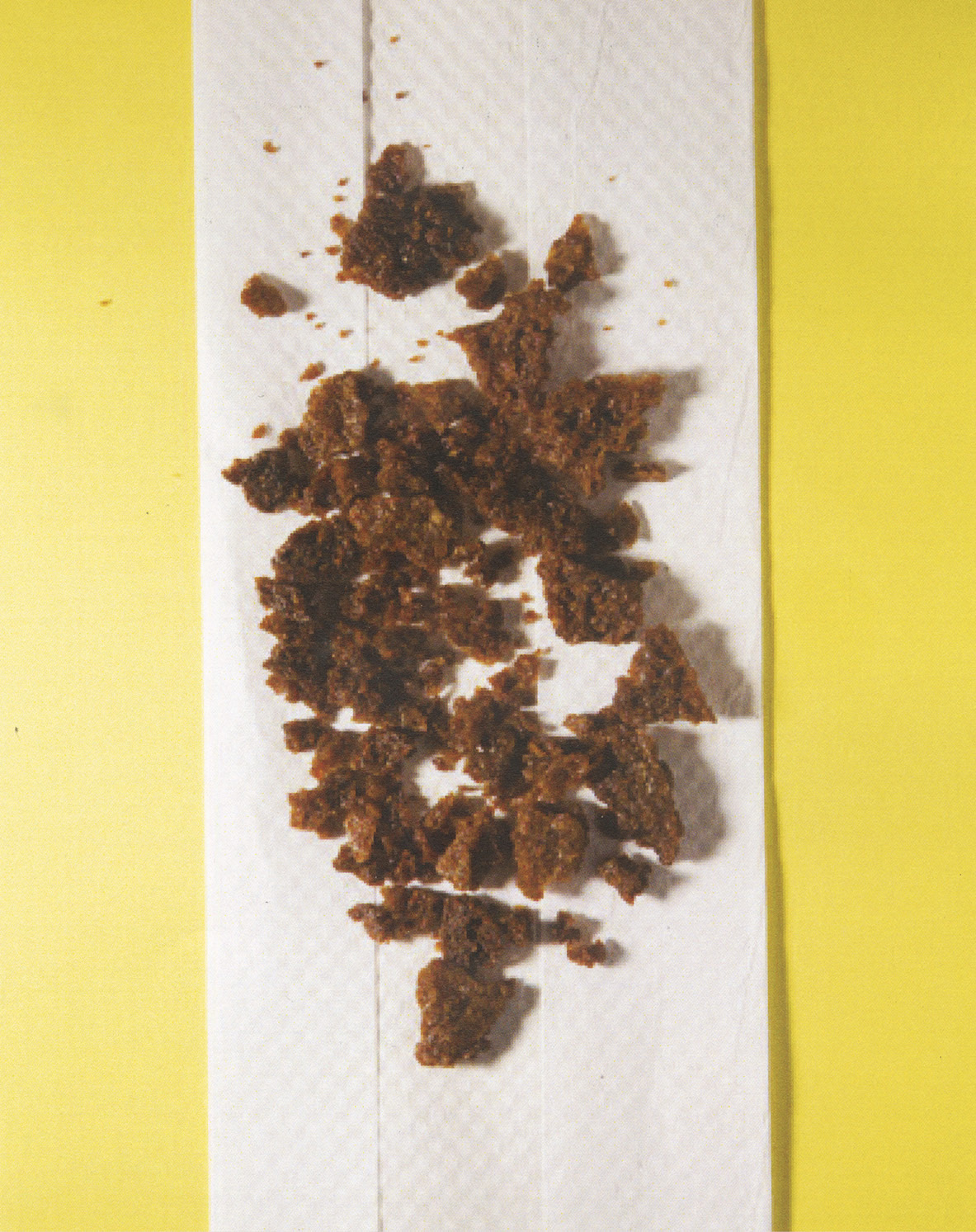
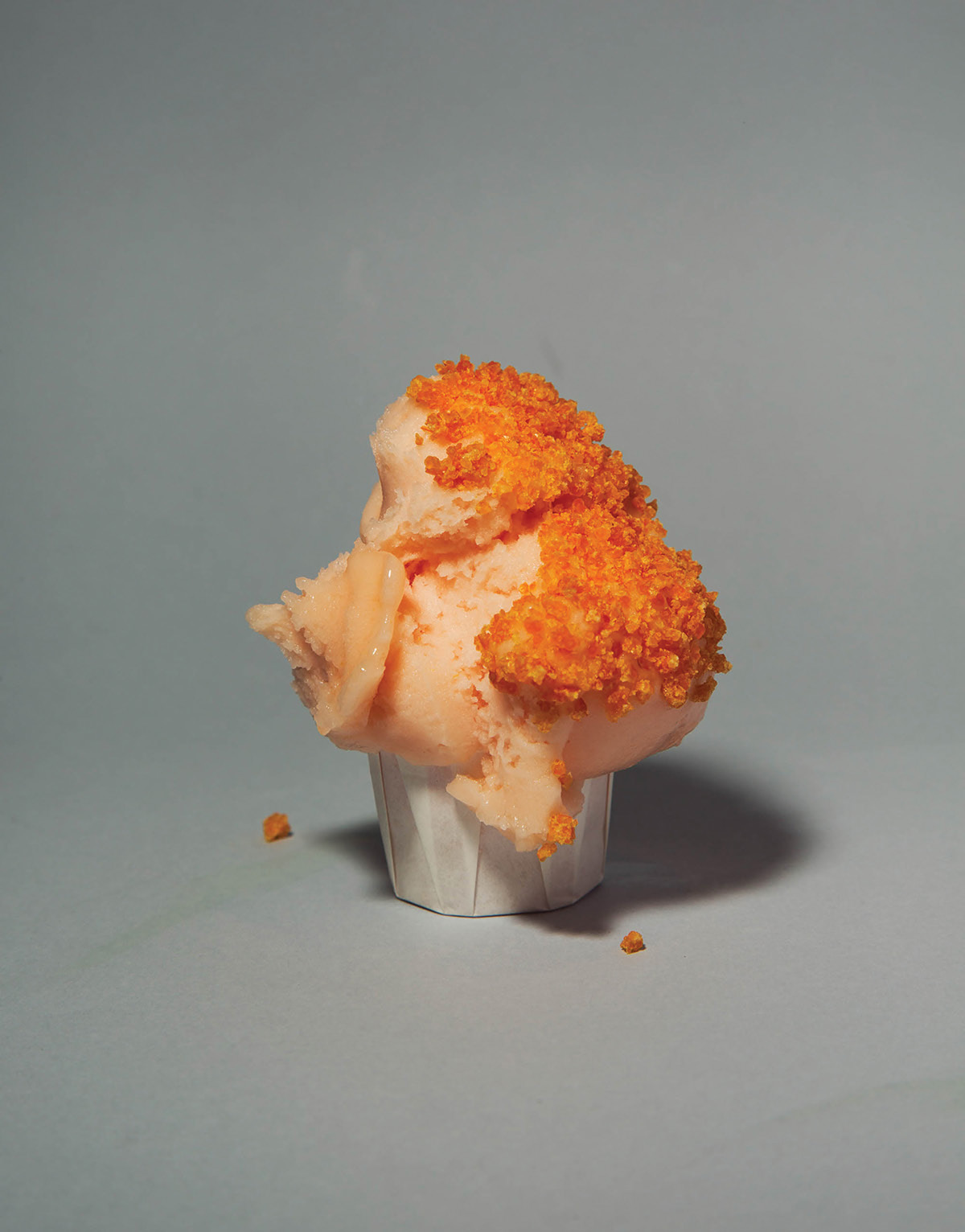
This one is lifted from our friends at the very excellent bakery Ovenly of Greenpoint, Brooklyn. This same recipe with chocolate chips is the greatest vegan chocolate chip cookie we have ever had. We omit the chocolate chips, spread the dough thin, and overbake it to get a crunchy crumble that pairs with gelato quite stunningly.
Whisk together the flour, baking powder, baking soda, and salt in a large bowl. In another bowl, combine the sugars and vigorously whisk in the grapeseed oil and water until incorporated. Cover or transfer to a sealable plastic bag and refrigerate overnight.
Makes about 4 cups
2 cups all-purpose flour
1 teaspoon baking powder
¾ teaspoon baking soda
1 teaspoon kosher salt
½ cup cane sugar
½ cup firmly packed dark brown sugar
½ cup plus 1 tablespoon grapeseed oil
¼ cup plus 1 tablespoon water
Preheat the oven to 350ºF.
Divide the dough into 2 balls. Roll out each ball (on top of a sheet of parchment) to about ¼ inch thick and move the parchment to a baking sheet. Bake for 12 to 15 minutes, until cooked all the way—but not overcooked. Let cool completely on a wire rack, then crumble into irregular chunks for an ice cream crunch.
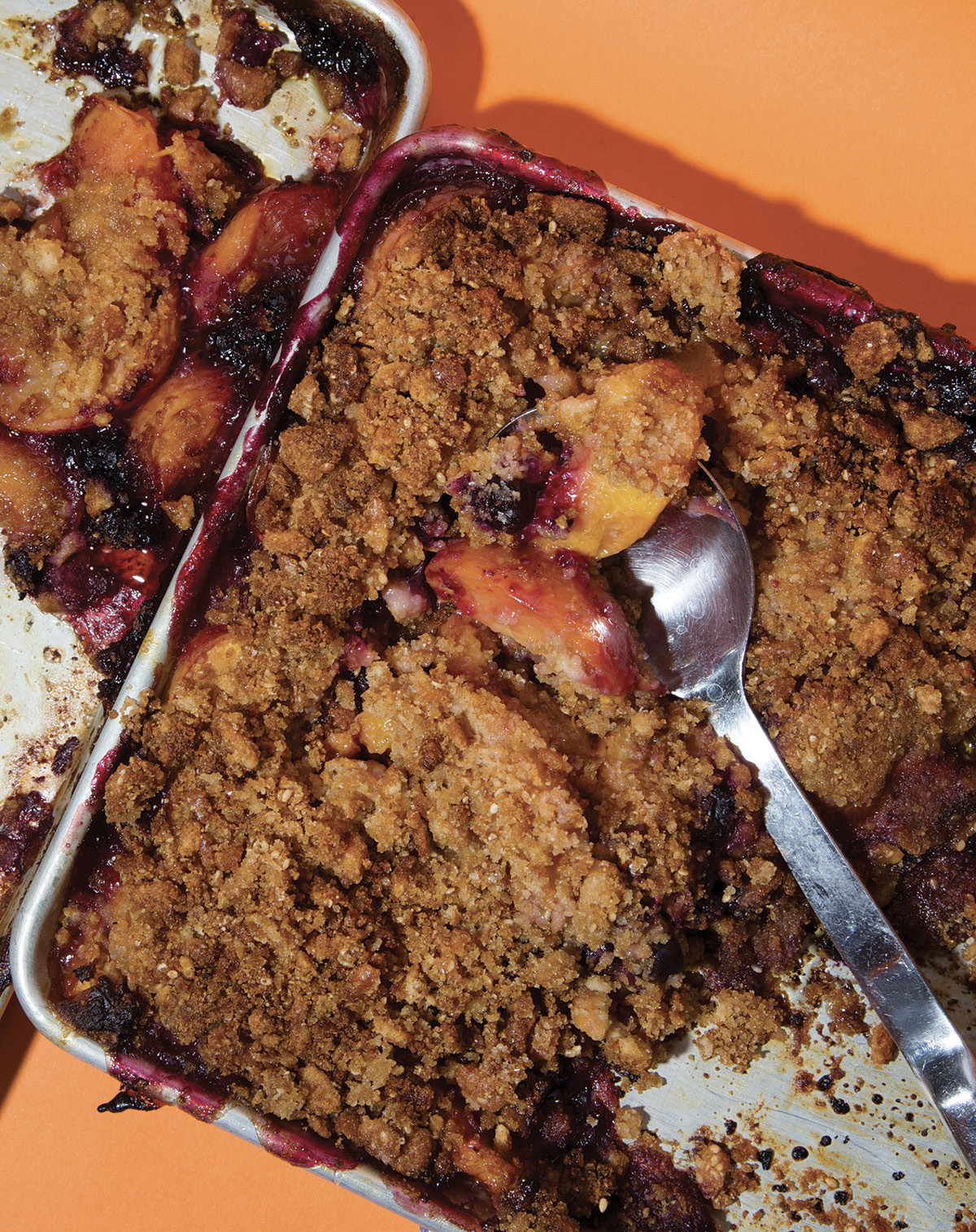
PEACH-BLUEBERRY BREADSTICK CRUMBLE
This one is very simple and the payoff is huge. A good Italian deli will have a serviceable sesame breadstick, either packaged or house made. Always put a larger baking sheet underneath to catch the eruptions of molten fruit magma. Any dribbles that leak to the bottom of the oven will burn and smell great for a few minutes before carbonizing and spewing smoke, turning your apartment or six-seat restaurant into an acrid no-fun zone.
Serves 8
6 cups blueberries and diced peaches
3 tablespoons instant tapioca
2 tablespoons (more or less) cane sugar
Fresh lemon juice or verjus as needed
2 cups sesame breadstick crumbs (ground in a food processor)
6 tablespoons dark brown sugar
2 teaspoons kosher salt
¾ cup extra virgin olive oil
2 tablespoons raw sugar
Preheat the oven to 375ºF.
Combine the cut fruit, tapioca, cane sugar (as needed), acidity in the form of lemon juice or verjus, and a pinch of salt in a large bowl. Let sit and macerate as you prepare the topping. In a medium bowl, mix together the breadstick crumbs, brown sugar, and salt. Pour in the olive oil and stir until the mixture resembles wet sand.
Transfer the fruit filling to a 9-inch square baking pan (or something comparable) and sprinkle generously with the breadstick topping. Sprinkle a little raw sugar on top of that (it will add a nice crunch to the topping) and bake for 40 minutes or so—until the top is well browned and the fruit filling looks gooey, jammy, and bubbling. Let it cool for at least 20 minutes before digging in. This also tastes really good straight out of the refrigerator—cold and congealed—like eating jam straight out of the jar.
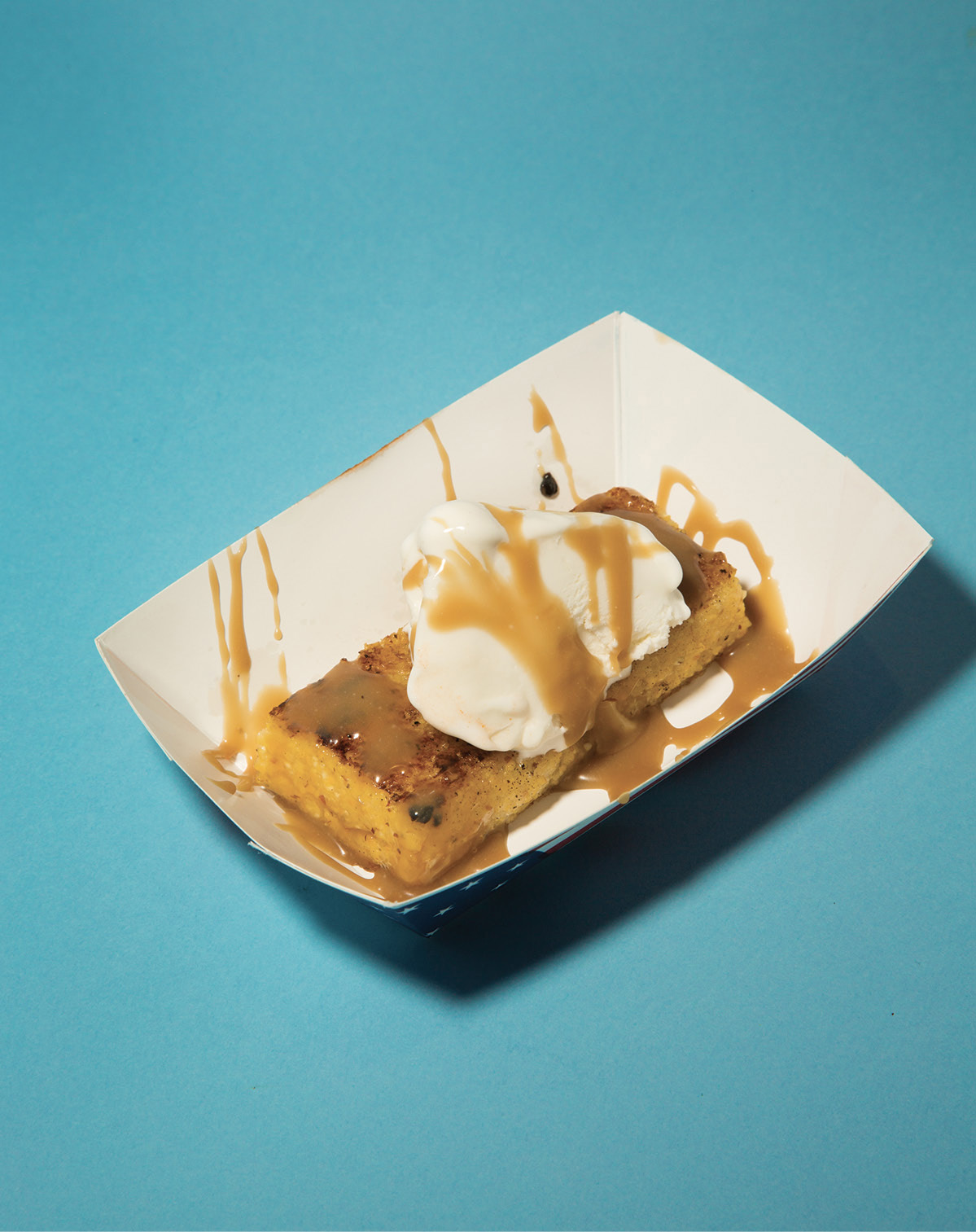
SEARED POLENTA WITH MAPLED OLIVE OIL
The warm polenta slab here is the same one we use in savory applications. We blitz maple syrup and extra virgin olive oil together to make a sticky emulsified elixir that smacks of sweet melted butter. A smear of gelato on top and it’s breakfast for dessert in the Sicilian quadrant of Montreal.
Serves 4
4 Polenta Planks (see page 207)
1 cup maple syrup
½ cup extra virgin olive oil
Gelato
Warm the polenta slabs in a cast-iron skillet, getting a little color on each side. Mix the maple syrup and olive oil with an immersion blender until thick and emulsified, then season with salt. To serve, take a slab of polenta and drizzle it with the mapled olive oil. Top with gelato of your choosing.
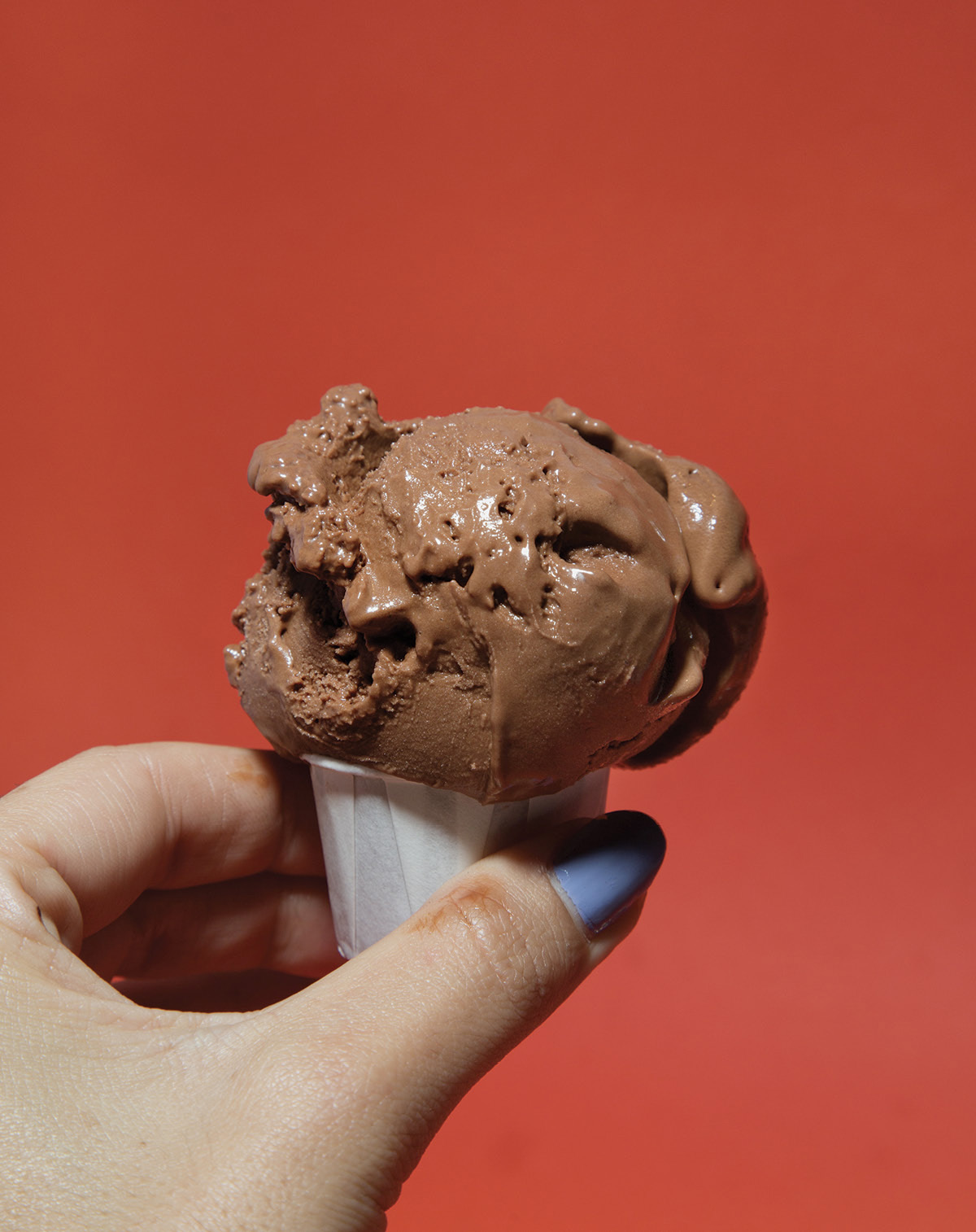
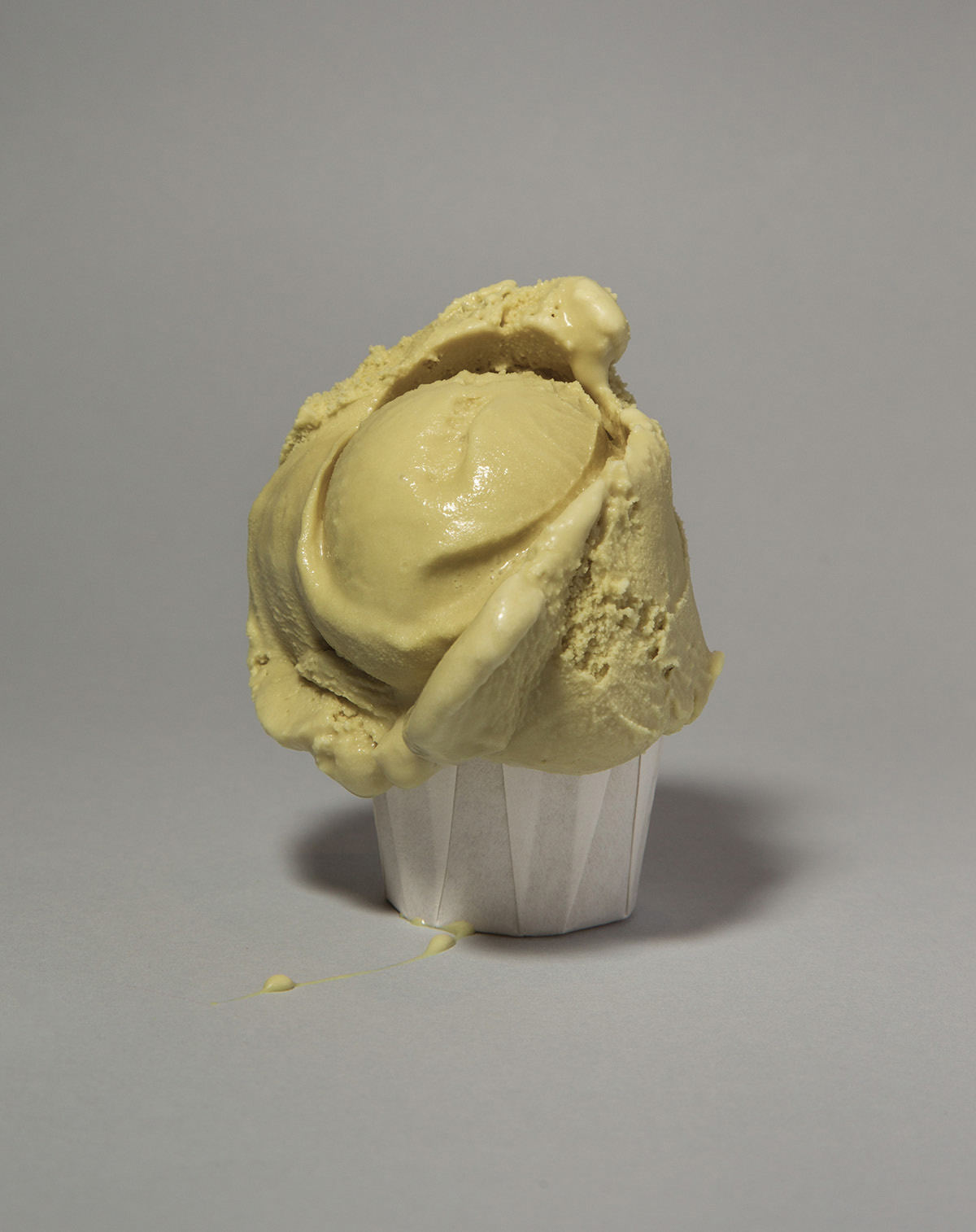
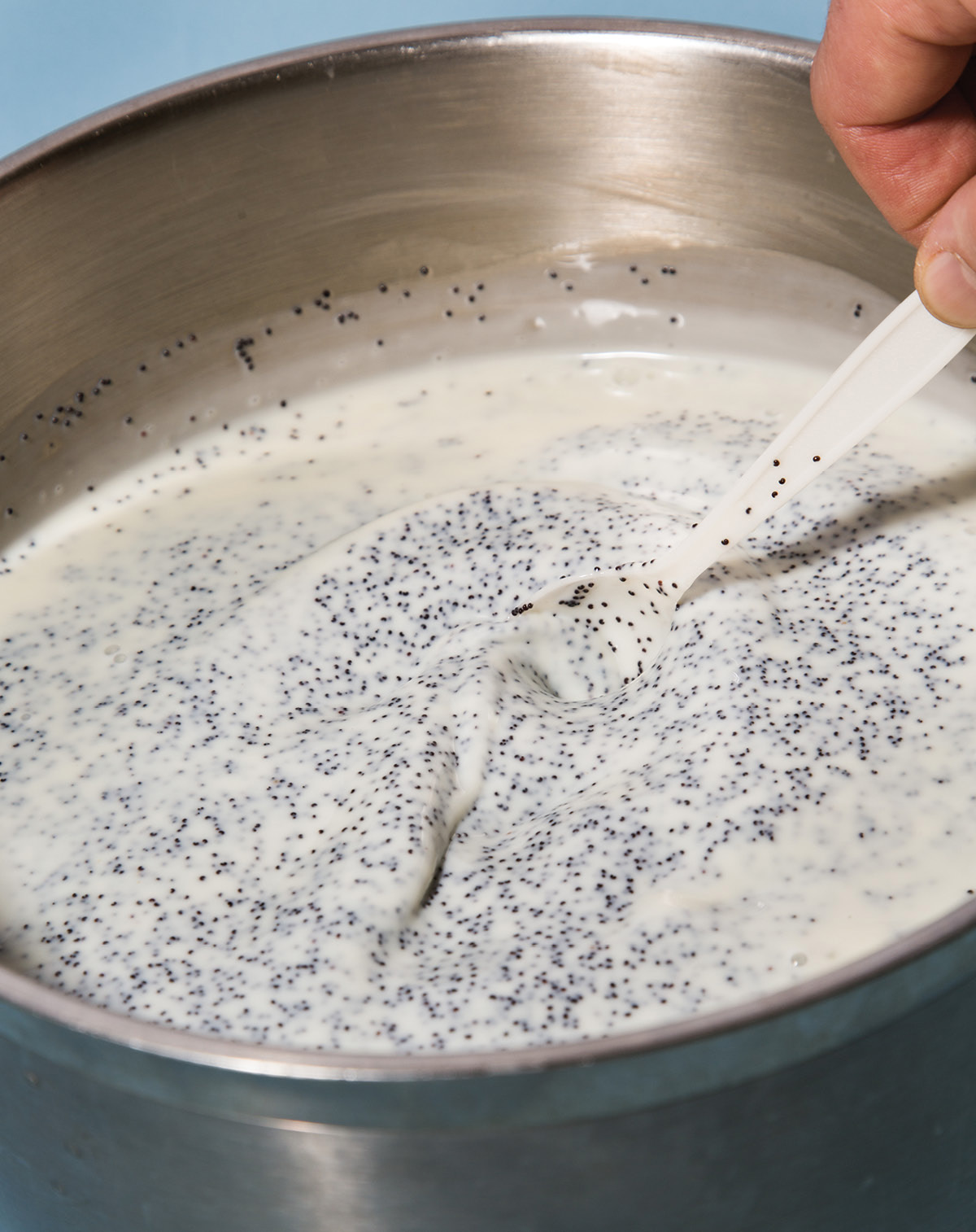
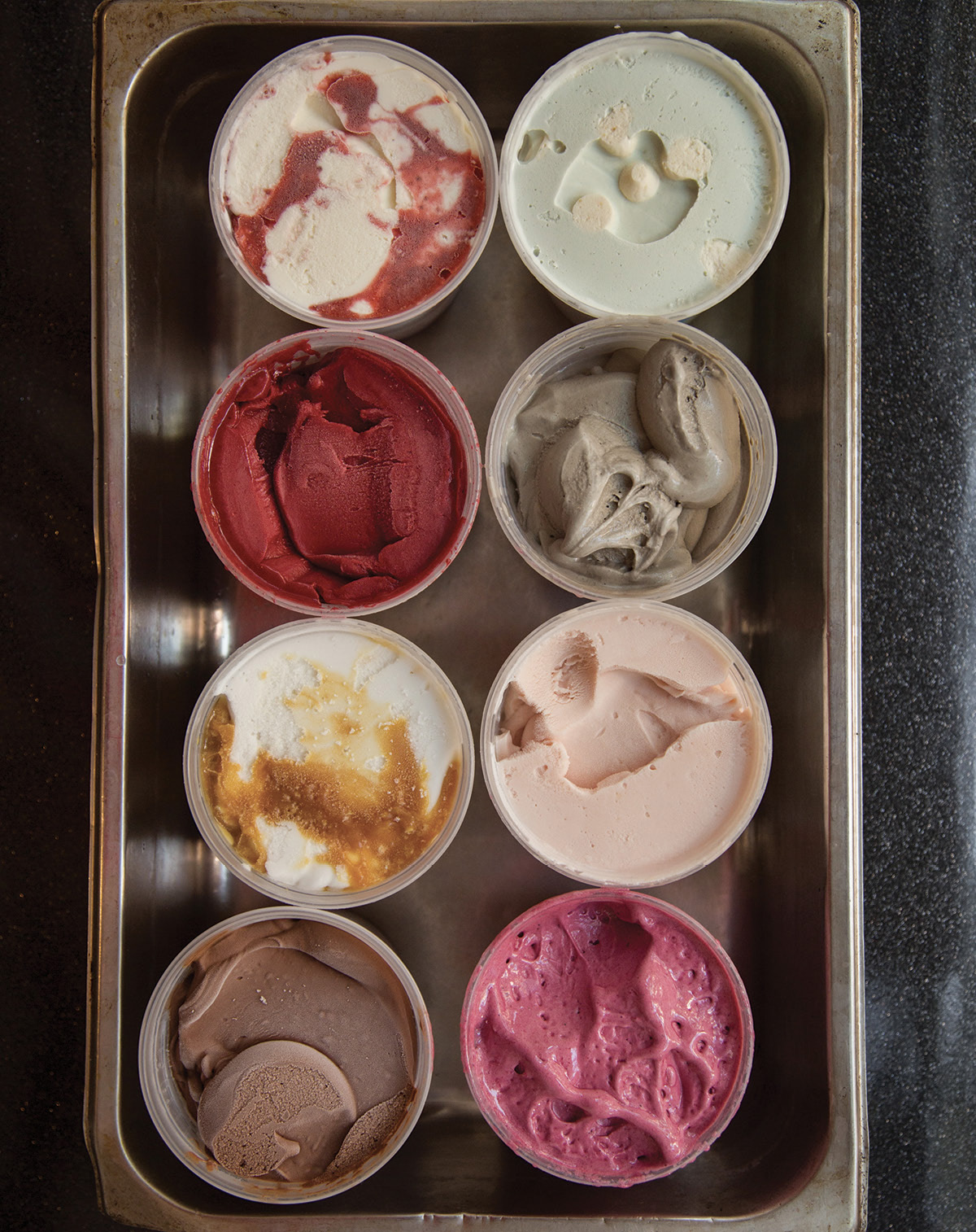
When Superiority Burger first opened, we used eggs; eggs as a binder in the burger mix and eggs in our gelato bases. This proved to be a problem, as a good chunk of our customers (vegan or not) simply did not eat eggs. So we stopped using eggs entirely (and felt pretty good about it!) and also designed this eggless gelato base recipe with the assistance of Dana Cree, our pastry chef pal based out of Chicago. It took only four e-mails and a few 2 a.m. (her time) text messages and we knew we had a winner. This spins into a chewy and creamy base.
Makes 2 liters
300 grams cane sugar
75 grams powdered milk
50 grams dextrose
1500 grams whole milk
500 grams heavy cream
Mix together the dry ingredients in a bowl. In a large saucepan, heat the milk and heavy cream and whisk in the dry ingredients. Bring everything up to 180ºF, whisking constantly so the milk solids do not scorch on the bottom of the pan. Hold the mixture at 180ºF for 30 minutes to set the proteins. If you are doing an infusion, take these 30 minutes to infuse the base.
POPPY SEED: Infuse 2 cups poppy seeds during the 30-minute interval. Strain out half of the poppy seeds and blend with a few tablespoons of base liquid to create a paste. Add back into the base and strain everything through a fine-mesh strainer. Season with salt. Chill overnight and spin.
CARDAMOM–PUMPKIN SEED OIL: Infuse 2 cups gently toasted and crushed cardamom pods during the 30-minute interval. Grind with an immersion blender to break up the pods and strain through a fine-mesh strainer. Season with salt. Chill overnight. During the spinning process, drizzle ½ cup pumpkin seed oil into the machine midway through processing.
POLENTA: Cook polenta (page 207) but spread it very thin on a baking sheet and then dry it out in the oven. Infuse the base with the dried polenta sheet during the 30-minute interval. Pulse gently with an immersion blender and strain through a fine-mesh strainer. Season with salt. Chill overnight and spin.
BLACK SESAME: Infuse 2 cups toasted black sesame seeds during the 30-minute interval. Strain out half of the sesame seeds and blend with a few tablespoons of base liquid to create a paste. Add back into base and strain everything through a fine-mesh strainer. Season with salt. Chill overnight and spin.

This is a very thick syrup tool that will help you turn almost any fruit puree or juice into a luscious, delicate sorbet. Making sorbet is kind of a trip, because you are basically taking 100 percent fruit, and then sugaring it, and watering it way down, with the hopes that your finished product will taste like the most perfect version of the fruit you just diluted. That’s strange to think about. It might not be total alchemy, but it’s definitely science. We rely on malic acid, lime and lemon juice, to reincorporate any lost acidity. Texture is key in sorbets. Iciness is no good.
makes 4¼ cups
2 cups water
2 cups cane sugar
⅓ cup dextrose
Bring the water to a boil. Add the dry ingredients. Return to a boil. Chill and reserve.
VARIATIONS
Fruit purees and juices vary wildly in sugar content. The following recipes may require tweaking as to the final amount of sorbet syrup you add. The base (pre-spinning) should taste slightly sweeter than you want (the freezing process will dull some of the sugar).
Mix together 2 cups sorbet syrup with 2 cups coconut milk and 2 cups coconut puree. Blend and season with fresh lime juice and salt. Spin.
Blend 500 grams water with 400 grams sorbet syrup and 1 tablespoon cocoa powder and bring to a boil. Pour over 400 grams chopped chocolate and whisk to melt. Strain through a fine-mesh strainer and season with salt. Chill and spin.
Peel the skin from about 10 grapefruit. Blanch the peels five times in boiling water to tame their bitterness. Simmer the peels in simple syrup until translucent. Combine equal parts grapefruit juice and chilled sorbet syrup. Using an immersion blender, blitz the peels into liquid. Season with malic acid and salt. Spin.
Combine equal parts melon juice (we get ours from a deli on Second Avenue, where it tastes fresh and melon-y year-round) and chilled sorbet syrup. Season with fresh lime juice, malic acid, and salt. Spin.
Blend 2 pounds fresh blackberries into a thick puree. Combine equal parts puree and chilled sorbet syrup. Season with fresh lemon juice, malic acid, and salt. Spin.
Hull and cut 2 pounds of strawberries and cover with a little cane sugar and fresh lemon juice overnight. The next day blend the macerated berries into a thick puree, keeping the seeds. Combine equal parts with chilled sorbet syrup. Season with fresh lemon juice, malic acid, and salt. Spin.
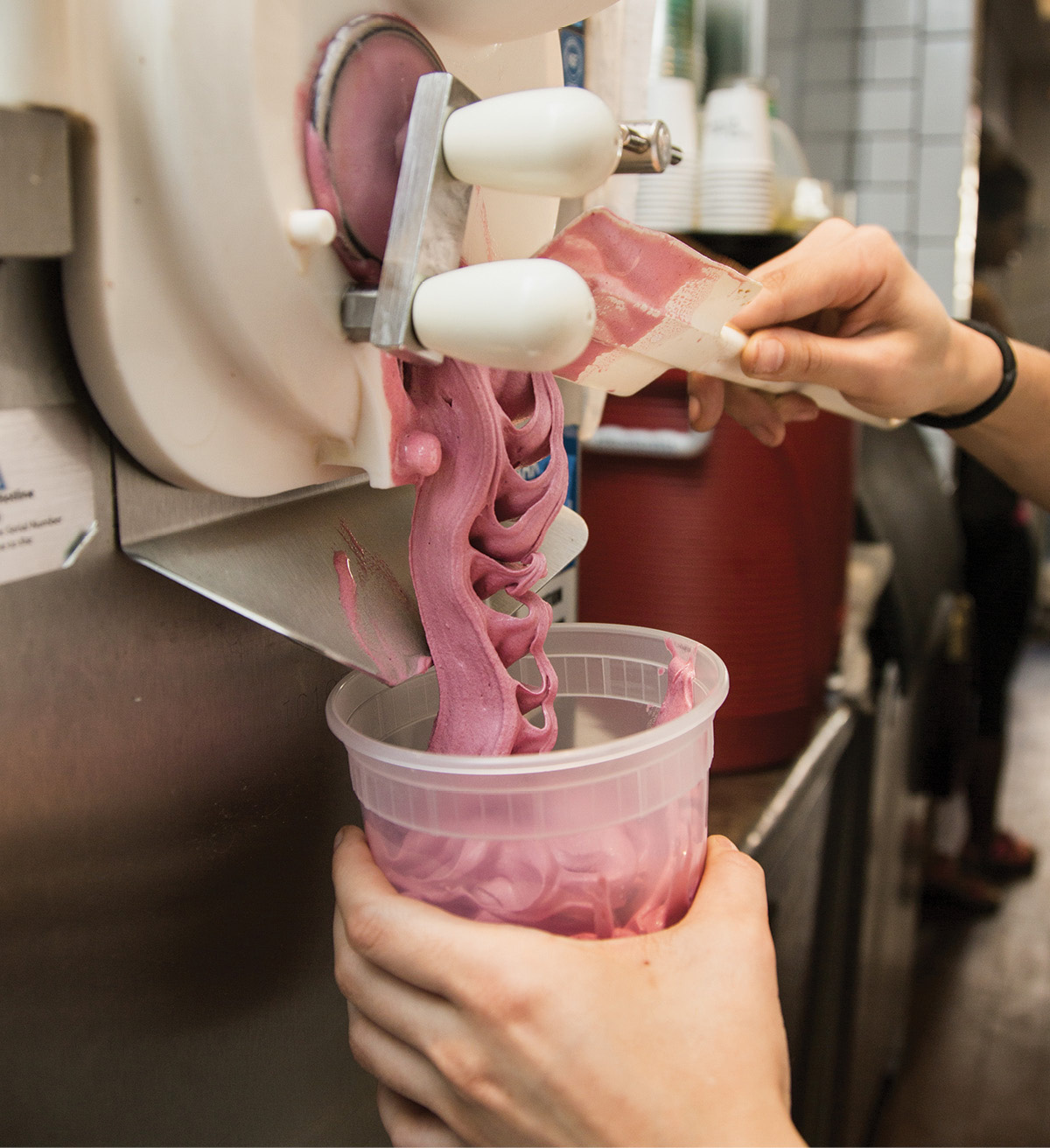
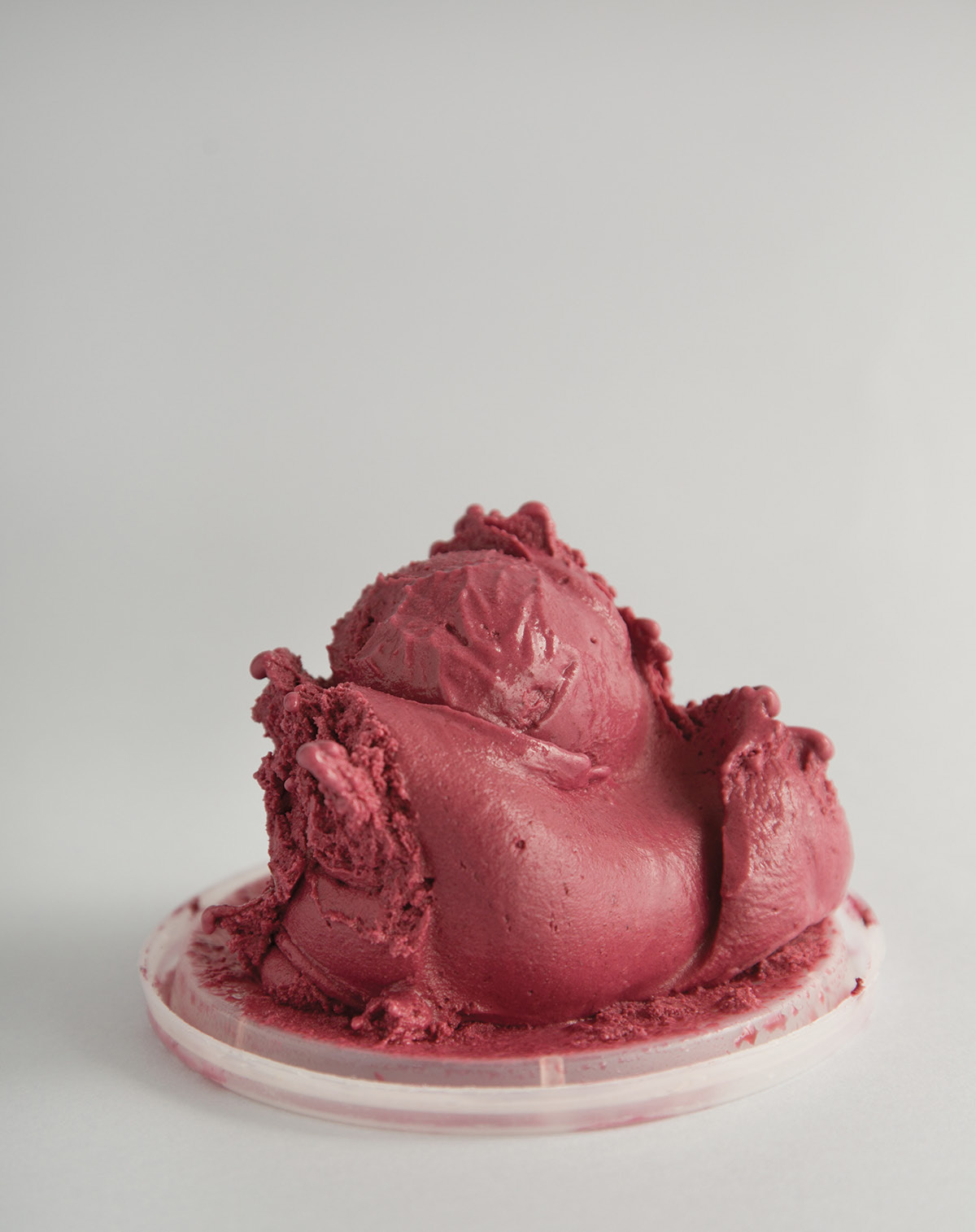
Table of contents
- Cover
- Title
- Contents
- Introduction
- A Few Notes on These Recipes
- Sandwiches
-
Cool Salads
- Burnt Broccoli Salad
- Tahini Ranch Romaine Salad
- Caraway Slaw
- Chicories Salad
- Green Brown Rice with Yellow Beets
- Chopped Salad
- Wedgeless Wedge Salad
- Home-Style Potato Salad
- Corn and Tomatoes with Bruised Basil and Olive Oil Croutons
- Ice-Cold Herbed Melon and Cucumber Salad
- Fennel and Celery Salad with Spicy Peanut Sauce
- Okra Rice Salad
- Roasted Cauliflower with Tamarind, Shiso, and Peanuts
- Raw Swiss Chard Salad
- Iced and Smashed Cucumber Salad
- Vegetable Salad
- Sweet-and-Sour Red Beets with Cream Cheese and Fried Pretzels
- Kohlrabi Slaw
- Wild Rice Salad with Candied Hibiscus
- Stuffed Cabbage Salad
- Half-Wilted Escarole with Corn Bread and Roasted Apricots
- Peas and Pesto
- Roasted Rutabaga with Brown Rice and Pomegranate Molasses
- Bitter Greens with Grapefruit, Re-Toasted Corn Chips, and Halloumi
-
Warm Vegetables
- Griddled Broccoli Rabe
- Stuffed Green Peppers with Coconut and Iceberg
- Crunchy Potatoes
- Bean Toast
- Beer Batter Market Pancakes
- Loaded White Sweet Potato
- Roasted Orange Sweet Potato with Olive-Raisin Chutney
- Salt-and-Vinegar String Beans
- Kelp and Vegetable Scampi
- BBQ Baked Gigante Beans with Polenta and Coleslaw
- BBQ Carrots with Cashew Cream and Corn Chips
- Confit Potatoes
- Braised Collard Greens with Hot Sauce and Honey
- Griddled Yuba with Snap Peas, Rhubarb, and Mint
- Tahini-Roasted Cauliflower with Tangerines and Hazelnuts
- Garlic-Braised Escarole with Apples and Thyme
- Fried Rice and Beans
- Soups and Stews
- Sweets
-
Pantry Recipes
- Pump Cheese
- Pickled Onions and Other Alliums
- Fried Salt-and-Vinegar Wonton Wrappers
- Chile Oil
- Pickled Golden Raisins
- Cashew Cream
- Hammered Mushrooms
- Polenta Planks
- Cheesy Brined Tofu
- Pastrami Tofu
- Crunchy Potatoes
- Confit Potatoes
- Marinated Yuba Strips
- Brown Rice
- Corn Bread
- Chickpea Mayo
- Special Sauce
- Spicy Mayo
- Acknowledgments
- Glossary
- Index
- Copyright